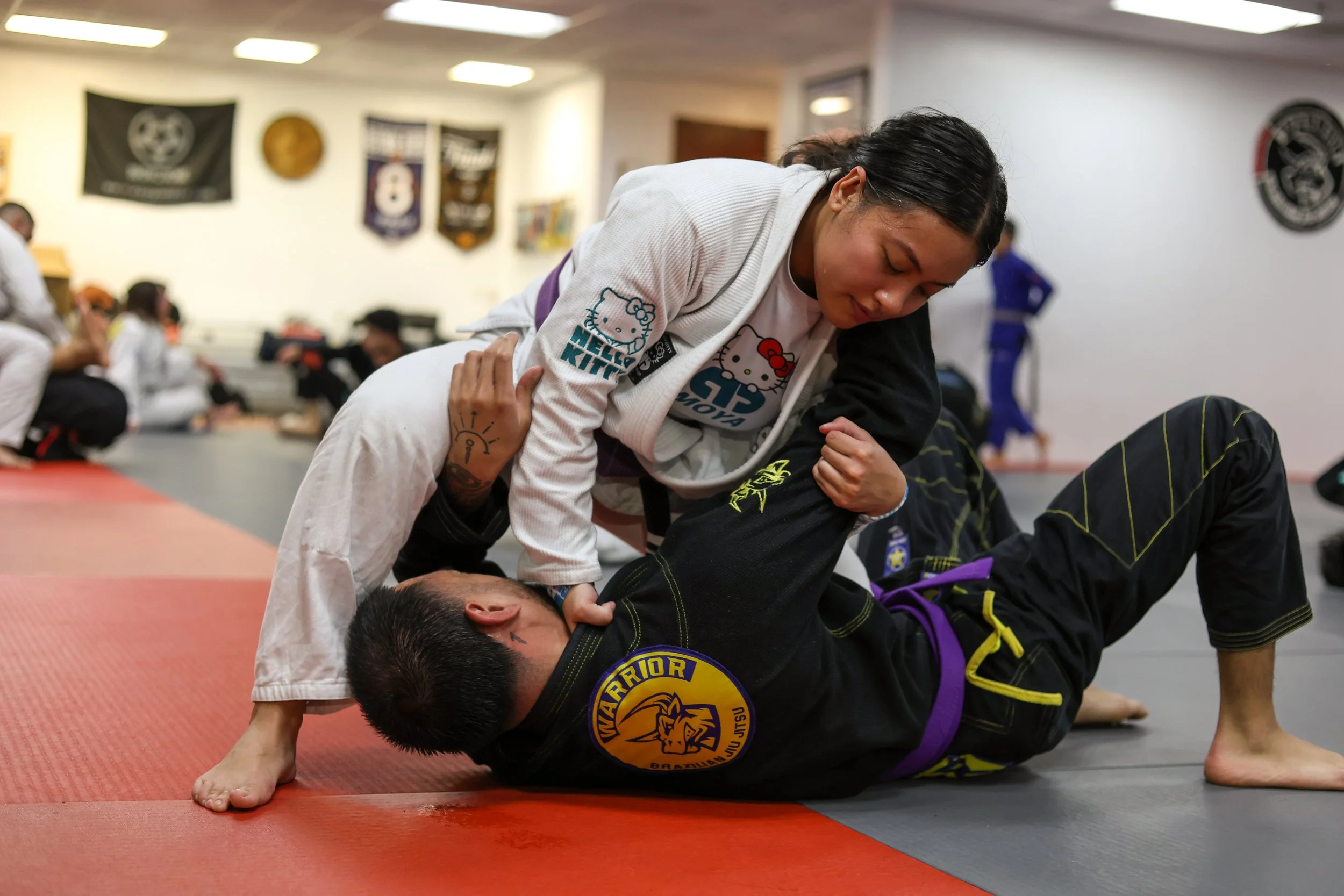
Thrivival Academy offers year-round training in conflict resolution and self-defense, led by dedicated instructors who prioritize practical, life-changing skills. Our program goes beyond physical techniques it equips youth with tools to navigate real-world challenges through calm, strategic communication and thoughtful decision-making. Conflict resolution teaches that true strength lies in de-escalating tension, understanding others, and resolving disputes peacefully whenever possible. We emphasize positive conflict resolution techniques rooted in proven principles, including:
KODIAK model (a structured framework for safe, respectful de-escalation in high-pressure situations),
L.E.A.D.S. (Law Enforcement Active De-escalation Strategies, focused on managing confrontations through effective communication and behavior redirection),
EAR Statements (showing Empathy, Attention, and Respect to quickly calm upset individuals and build connection),
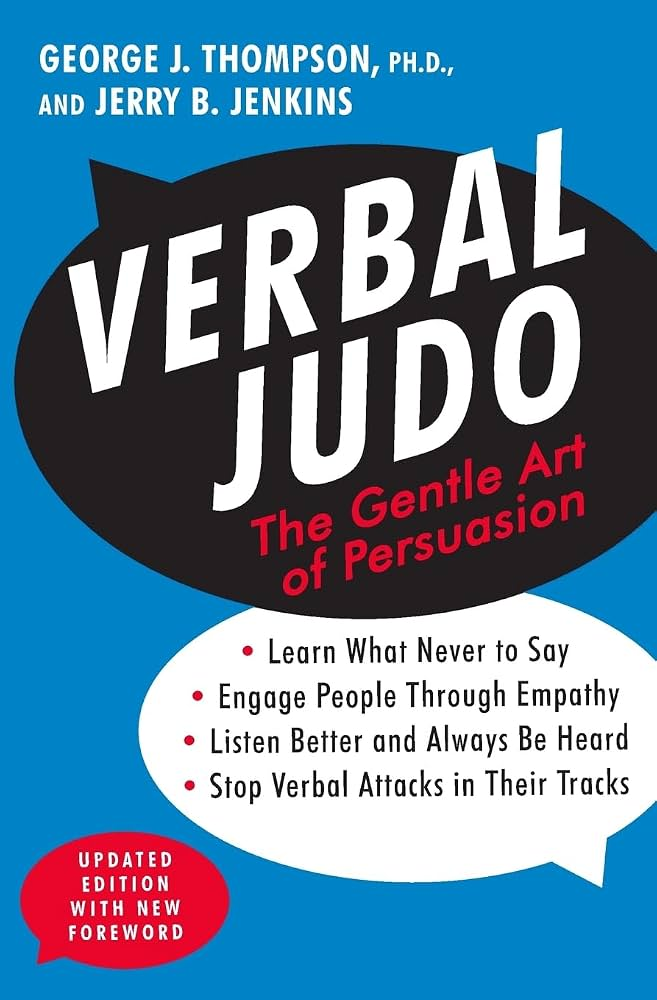
Insights from Verbal Judo: The Gentle Art of Persuasion by George J. Thompson, which treats words as a tactical tool to redirect behavior, defuse aggression, and persuade without force,
Techniques from De-Escalate: How to Calm an Angry Person in 90 Seconds or Less by Douglas Noll, offering immediate, actionable steps to reduce emotional intensity and restore calm,
Strategies from Difficult Conversations: How to Discuss What Matters Most by Douglas Stone, Bruce Patton, and Sheila Heen, guiding youth through emotionally charged talks with clarity, empathy, and mutual understanding.
These approaches help young people recognize early signs of conflict, listen actively, respond thoughtfully, and turn potential escalations into opportunities for positive outcomes. These verbal and mental skills are the core of the work. At Thrivival Academy, conflict resolution and self-defense are about shaping character, fostering resilience, and surrounding youth with positive influences. Participants learn to handle disputes constructively, stay calm under pressure, and carry that discipline into everyday life. This approach creates not just skilled individuals, but responsible, empathetic leaders ready to make a difference.
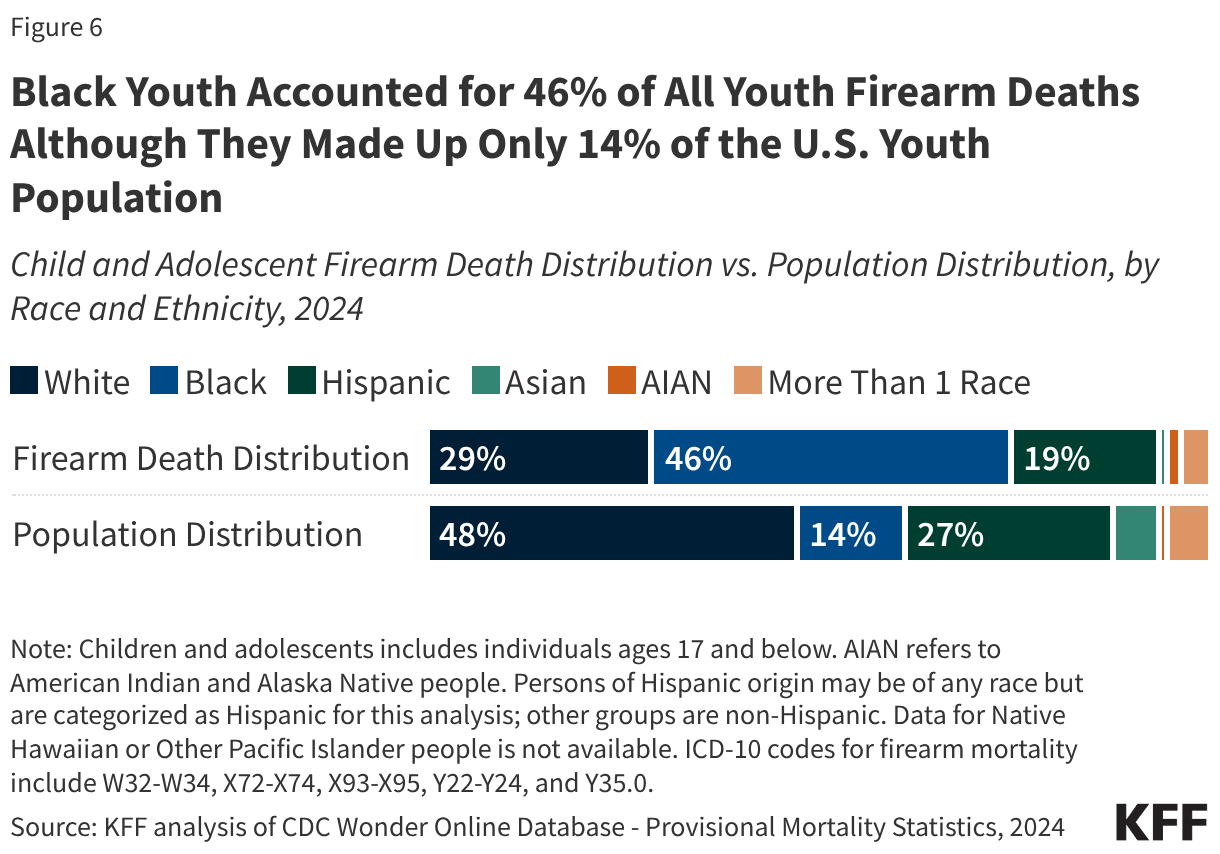
Homicide is the leading cause of death for non-Hispanic Black or African American youth aged 10–24, a disparity that has persisted for decades. In 2024, homicide remained the number one cause of death for this demographic, while it ranked as the third leading cause for white youth in the same age group.
The disparity is stark: Black victims were 6.4 times more likely to die by homicide than white victims nationally in 2024. In some states, such as Wisconsin and Missouri, Black victims were nearly 19 times and 12.7 times more likely to die by homicide, respectively. This burden is driven largely by firearm homicide, with young Black males aged 18–24 being nearly 23 times more likely to die by firearm homicide than their white peers.