Programs that help youth learn the skills to transition into adulthood.

-Floyd Prosper
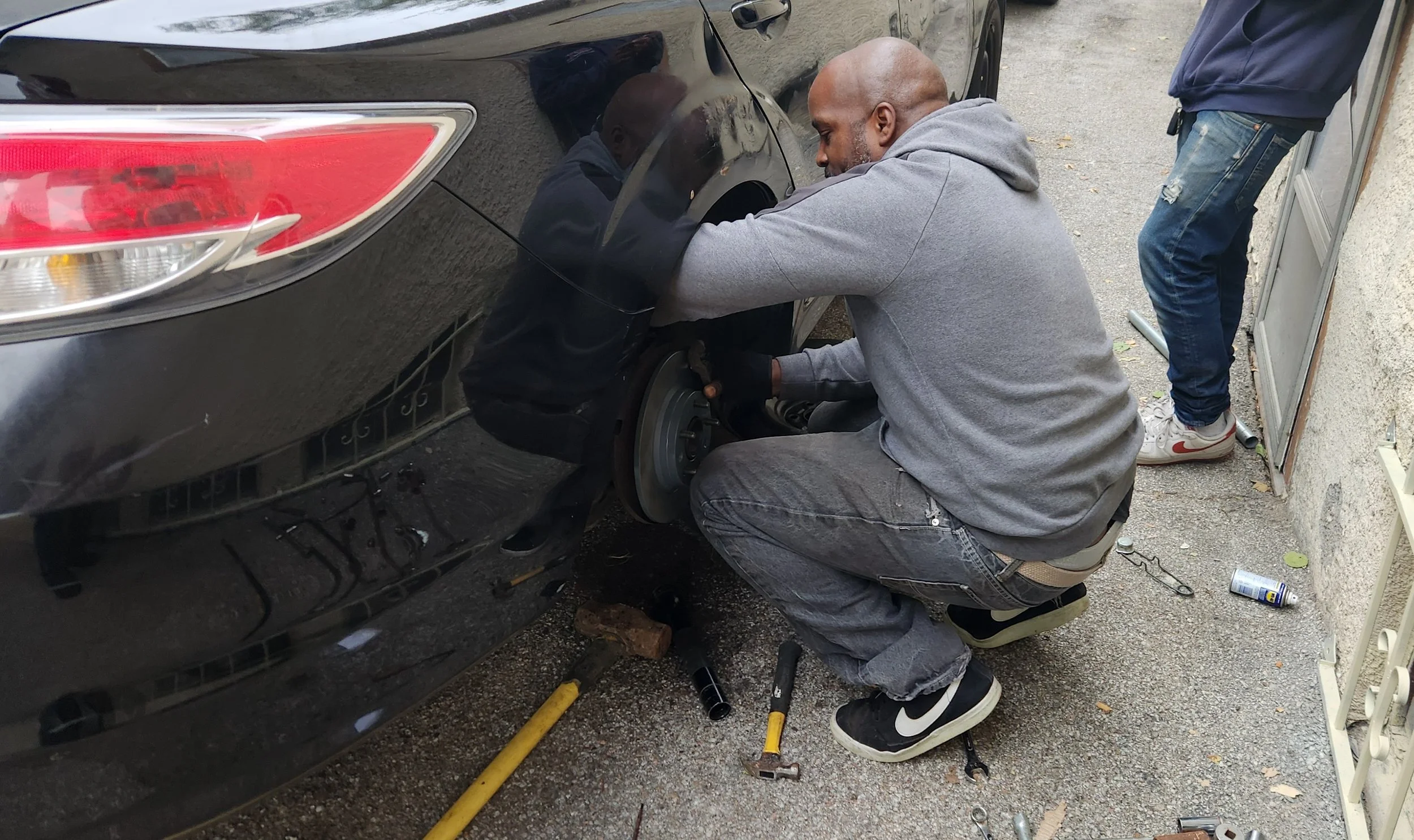
Thrivival Academy's Adulting 101 Program helps young people develop the practical knowledge, confidence, and judgment they need to transition successfully into adulthood.
Many of the responsibilities adults face every day are never formally taught in school. Adulting 101 fills that gap through hands-on instruction, demonstrations, practice, mentorship, and real-world problem solving.
Participants build skills across several areas of independent living:
Everyday Life Skills
Youth learn how to manage the everyday responsibilities of taking care of themselves and their living environment.
Cooking simple, nutritious meals
Grocery shopping and meal planning
Doing laundry and caring for clothing
Basic sewing and clothing repairs
Cleaning and maintaining a home
Lawn mowing and basic yard maintenance
Using basic hand and power tools safely
Changing light bulbs and completing simple household repairs
Unclogging drains and handling minor maintenance problems
Understanding leases, utilities, and household responsibilities
Scheduling appointments and managing errands
Organizing important documents
Creating household routines and schedules
Automotive and Transportation Skills
Youth learn the basics of getting where they need to go safely and responsibly.
Basic vehicle maintenance
Checking and changing fluids
Checking tire pressure and tread
Changing a tire
Understanding warning lights
Jump-starting a vehicle
Knowing when a vehicle needs professional repair
Understanding registration, insurance, and routine maintenance
Planning transportation when a vehicle is unavailable
Navigating public transportation
Planning safe transportation home
Cooking, Nutrition, and Personal Health
Participants learn how to care for their bodies and make informed decisions about their health.
Preparing basic meals
Kitchen and food safety
Reading nutrition labels
Understanding portion sizes
Planning balanced meals
Grocery shopping on a budget
Proper food storage
Personal hygiene and grooming
Building healthy sleep routines
Understanding exercise and physical activity
Basic first aid
Knowing when to seek professional medical care
Making medical and dental appointments
Understanding prescriptions and medical instructions
Money Management
Youth learn how money works and how everyday financial decisions can affect their future.
Creating and following a budget
Tracking income and expenses
Opening and managing a bank account
Understanding checking and savings accounts
Reading a paycheck
Understanding taxes and paycheck deductions
Paying bills on time
Building an emergency fund
Saving toward financial goals
Comparing prices before making purchases
Understanding credit scores
Using credit responsibly
Understanding loans, interest, and debt
Recognizing scams and financial fraud
Understanding basic insurance
Introduction to investing and retirement planning
Employment and Career Readiness
Participants develop the skills needed to find, obtain, and maintain employment.
Searching for employment
Completing job applications
Writing a résumé
Writing a cover letter
Preparing for job interviews
Dressing appropriately for interviews and work
Communicating professionally
Understanding workplace expectations
Working effectively with supervisors and coworkers
Asking questions and requesting clarification
Receiving constructive criticism
Handling workplace disagreements professionally
Managing time, schedules, and deadlines
Understanding pay, benefits, and job offers
Recognizing workplace rights and responsibilities
Identifying education, certifications, and training opportunities
Building professional relationships and references
Communication and Relationships
Young people practice the interpersonal skills necessary for healthy relationships at home, at work, and in the community.
Communicating needs clearly and respectfully
Active listening
Setting healthy boundaries
Respecting other people's boundaries
Saying no appropriately
Managing disagreements without escalation
Apologizing and repairing damaged relationships
Giving and receiving constructive feedback
Recognizing unhealthy or manipulative behavior
Understanding mutual respect
Maintaining healthy friendships
Asking for help when needed
Communicating with people in positions of authority
Self-Management and Personal Responsibility
Adult independence requires more than knowing how to perform tasks. Youth also learn how to manage themselves.
Setting personal goals
Breaking large goals into manageable steps
Creating routines
Managing a calendar
Remembering appointments and deadlines
Managing stress and disappointment
Handling failure and rejection
Practicing self-discipline
Controlling impulses
Managing digital distractions
Taking responsibility for mistakes
Following through on commitments
Developing confidence
Making decisions based on long-term consequences
Knowing when to seek help
Home Maintenance and Household Responsibility
Youth receive hands-on exposure to the basic skills required to maintain a home.
Using common household tools
Measuring accurately
Hanging shelves and pictures
Replacing basic household hardware
Changing furnace or air-conditioner filters
Understanding breakers and electrical safety
Understanding basic plumbing
Identifying common household problems
Cleaning appliances
Preventing household damage
Basic pest prevention
Lawn and yard maintenance
Understanding when a repair requires a professional
Legal and Civic Life
Participants learn how to navigate some of the systems and responsibilities they will encounter as adults.
Reading documents before signing them
Understanding basic contracts
Understanding tenant responsibilities
Understanding basic employee rights
Keeping identification and important documents secure
Completing government forms
Understanding licenses and identification requirements
Keeping records of payments and agreements
Communicating with schools, courts, government agencies, and other institutions
Understanding basic civic responsibilities
Registering to vote
Evaluating information about candidates and public issues
Understanding privacy and responsible online behavior
Digital and Information Literacy
Youth learn how to navigate an environment where misinformation, scams, and manipulation are increasingly common.
Finding reliable information online
Evaluating whether a source is trustworthy
Recognizing misinformation
Identifying online scams
Recognizing phishing attempts
Protecting passwords and personal information
Understanding privacy settings
Thinking critically about advertising
Recognizing manipulation on social media
Researching major purchases
Comparing competing claims and sources
Decision-Making and Problem-Solving
Adulting 101 teaches youth not simply what to think, but how to work through unfamiliar situations.
Identifying a problem
Gathering reliable information
Asking useful questions
Comparing options
Considering costs, benefits, and risks
Thinking through possible consequences
Distinguishing wants from needs
Planning for unexpected situations
Making reasonable decisions with incomplete information
Learning independently
Knowing when to solve a problem themselves and when to ask for help
Independence and Adult Responsibility
Ultimately, Adulting 101 helps young people understand what independence actually requires.
Advocating for themselves
Following through on commitments
Showing up on time
Taking responsibility for decisions
Managing personal responsibilities without constant reminders
Building a dependable support network
Keeping important information organized
Planning for emergencies
Asking questions instead of pretending to understand
Learning from mistakes
Becoming dependable to other people
Understanding that independence does not mean doing everything alone
Learning How to Figure It Out
The purpose of Adulting 101 is not to convince young people that they must know everything before becoming adults.
No adult knows everything.
Capable adults know how to figure things out.
They know how to find trustworthy information, ask questions, seek help, communicate clearly, evaluate their options, solve problems, and accept responsibility for their decisions.
That is what Adulting 101 is designed to teach.
Through practical experience and supportive mentorship, Thrivival Academy helps young people enter adulthood better prepared to take care of themselves, contribute to their families and communities, and build lives of increasing independence and responsibility.